
Finance without friction.
It may finally become the standard following Circle’s initial public offering (IPO). But what does the stablecoin issuer’s public listing mean for the traditional financial system, and has it set too high of a precedent for other native digital asset companies to follow?
Integrating Digital Assets into the Financial System
Fifty years ago a “fully reserved dollar” was the norm and not just an exercise in wishful thinking.
The American Postwar period, from 1946 to the early 1970s was arguably the most prosperous time in the country’s history, apart from the industrial revolution.
Now, one company is trying to revive that ingenuity and prosperity, in digital form.
Initially established during the turbulent times of 2013, when 5,575% Bitcoin price swings were a regular occurrence. USDC made an immediate impact by solving two glaring problems.
First, it solved the trust issue that permeated the early days of digital assets by being a ‘stablecoin,’ fully reserved 1:1 with cash and cash equivalents, redeemable in US dollars.
Second, by being fast, efficient, and available 24/7, it made the dream of everyday transactions in digital assets possible for the first time.
According to the project’s co-founder, Jeremy Allaire, the idea was always to
Take what we think of as money, make it digital and available on the internet, then that would dramatically change the way we use money and open up opportunity around the world
Today, Circle is the issuer of two stablecoins (USDC and EURC) and the company powers payments, commerce, and financial applications worldwide in more than 180 countries.
The fintech firm has also just crossed a significant milestone in its mission to make moving money as easy as sending an email.
Critical Financial Infrastructure
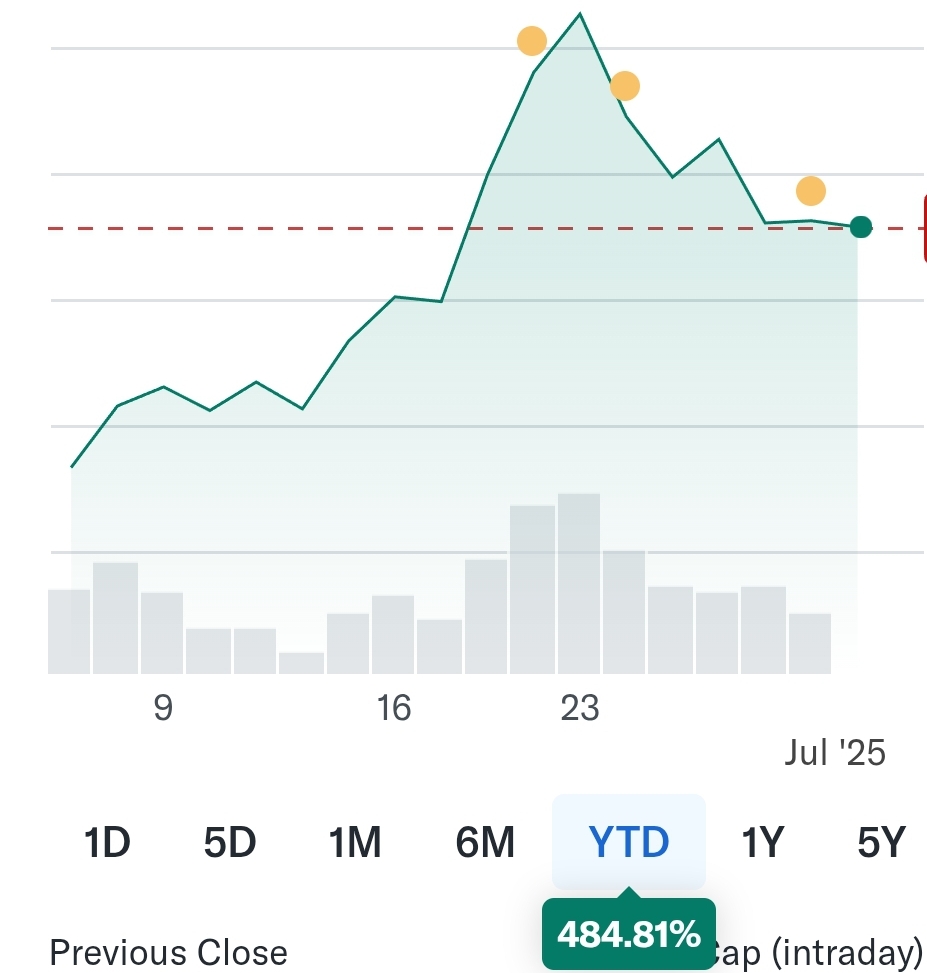
Circle recently completed a successful IPO that raised more than $1 billion.
Not only this, it has also just filed an application for a national trust bank charter.
The timing and broader implications of both couldn’t be more telling.
Becoming a publicly listed entity is something that Circle flirted with as early as 2021, before ultimately withdrawing from the process.
It turned out to be the right move for several reasons.
For starters, the company’s single largest source of revenue is interest earned on reserves backing the USDC stablecoin. Back in 2021, interest rates were a quarter of what they are today.
By biding it’s time, Circle was able to take advantage of a rising rate environment and become profitable on a net income basis for the past two consecutive years.
Then there is the regulatory environment, which similarly, couldn’t be more favorable.
We went deeper on this in The Digital Asset Golden Age a few months ago, highlighting how the current administration’s friendly regulations combined with massive institutional investment will create a new bull market in digital assets.
However, an even more consequential move is Circle’s bid to become a chartered bank.
This wouldn’t just create new revenue streams through custodial and third-party reserve management services, it would also pit Circle at the intersection of digital assets and traditional finance.
At the moment, only one other digital asset platform has been granted a national trust bank charter, Anchorage Digital, which lacks a stablecoin component, and the international adoption that comes along with it.
Circle could be about to become critical financial infrastructure and reap the benefits and risks that come with that.
A New Precedent
Circle is in a truly unique position, from which it could catalyze several major trends.
Transparency vs Decentralization
Seeing a pure play digital asset business raise ten figures has gotten the attention of founders and investors alike.
The much larger Tether and it’s USDT stablecoin, along with a couple of other smaller competitors, such as Ethena’s USDe and DAI, wait in the wings.
However, the companies behind these stablecoins have taken a decidedly more decentralized path than Circle’s compliance-first approach.
This is one of the major trade-offs that needs to be made in order to raise capital on Wall Street.
For some, the net benefit analysis of opening up the books will undoubtedly be affirmative, but for the digital asset ecosystem as a whole, it may not be.
A CBDC Trial Run
Since first being issued in the summer of 2014, stablecoins have become trusted and widely adopted.
These are two things that every Central Bank Digital Currency (CBDC) currently being trialed hopes to achieve.
The road map has been created. All Central Bank issuers have to do now is follow it.
Although there exists little incentive for users to switch from stablecoins to a CBDC, apart from prospective legal mandates, there are gaps in the market.
For example, the Bank of International Settlements (BIS) is currently testing cross border tokenized payments with Central Banks and banking institutions.
This is an area in which stablecoins have yet to reach mass scale, indicating CBDC’s could ultimately pivot to wholesale use, rather than the retail currencies they were originally intended to be.
Tokenization To The Moon
The total market value of tokenized assets has topped $24 billion and is growing by triple digits annually.
Tokenization is now, what altcoins were in 2017, but with even more upside.
While Bitcoin alternatives have collectively grown to more than $1 trillion in value and helped accelerate digital asset adoption. A single tokenized asset vertical, such as equities, could realistically be bigger by 2030.
As for the overall tokenization market, some are projecting that it could reach 10% of global GDP, or over $10 trillion.
At this point, it’s speculation, but considering the real pain points that digitizing assets solves, such as immediate settlement, reducing intermediation costs, and tightening security. The projections could just be scratching the potential.
Ultimately, stablecoins are the critical link between digital assets and traditional financial.
However, they are not just a bridge, but change agents redesigning the current financial infrastructure into something more streamlined and efficient, while not only maintaining, but enhancing security protocols.
From this standpoint, an investment in Circle and other stablecoin issuers isn’t merely a speculative bet on promising digital assets, but a play on the fundamental infrastructure that powers them.
If you found this insightful, you will also like Bridging Real-World Assets and Blockchain: Ostium Labs’ Bold Vision and Inside the Base Ecosystem: Bridging the Gap Between Traditional Finance and DeFi.
If you would like more information on our thesis surrounding stablecoins or other transformative technologies, please email info@cadenza.vc


One response to “The Stablecoin Breakout: Why Circle’s IPO is a Game-Changer”
[…] you found this insightful, you will also like The Stablecoin Breakout: Why Circle’s IPO is a Game-Changer and The Next Industrial Revolution: Why Infrastructure Spending Is the New Trillion-Dollar […]
LikeLike